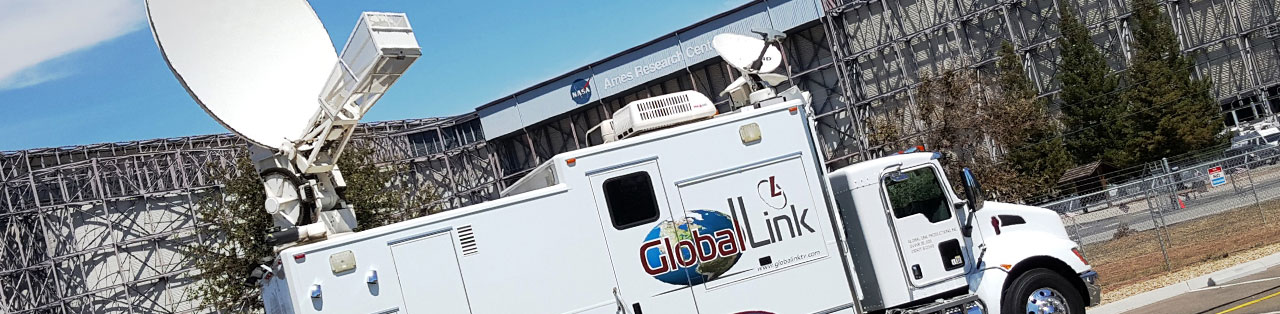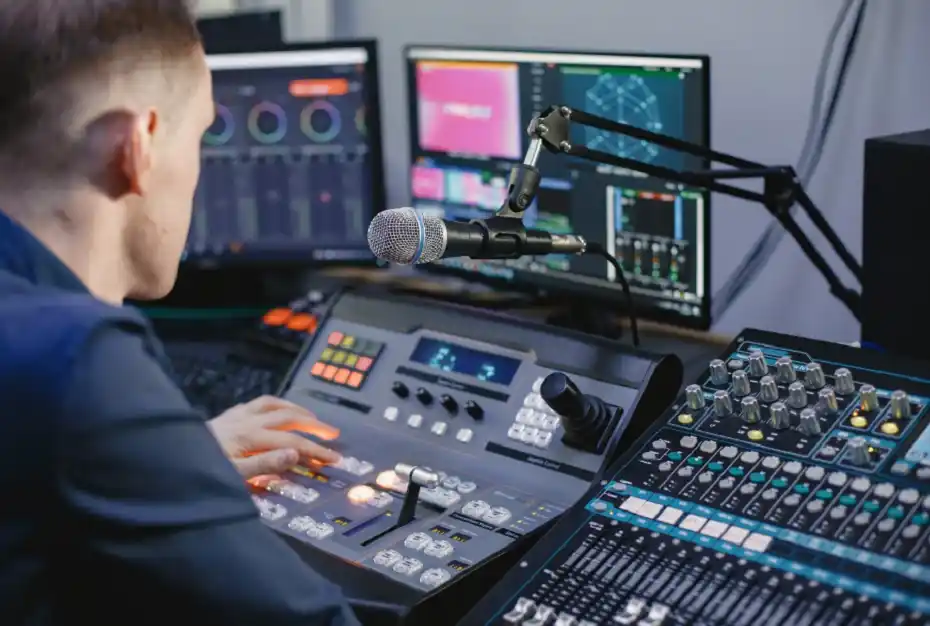
Running a broadcast station involves countless moving parts, and RF systems sit right at the center of everything that keeps a signal strong, clear, and reliable. When these systems are not planned, installed, or aligned correctly, the risks do not stay small for long.
We have worked with stations that struggled with dropped signals, compliance headaches, and unexpected equipment failures simply because RF integration was treated as an afterthought instead of a priority from the very beginning. This is exactly why so many broadcasters across the region now choose professional broadcast RF systems integration in Los Angeles before problems ever get the chance to start, and why planning always saves more time, money, and stress than trying to fix issues after they appear.
One of the most immediate risks of skipping proper integration is signal interference, and this is something audiences notice right away. RF systems are highly sensitive, and even a small misalignment in antennas, transmitters, or cabling can lead to static, dropouts, or weak coverage in certain broadcast zones. Once viewers or listeners start experiencing these problems repeatedly, trust in the station begins to erode, and rebuilding that trust takes far longer than preventing the issue in the first place.
We always emphasize that clean, uninterrupted transmission is not something to leave to chance, because a station's reputation depends heavily on consistent performance day after day, and that consistency starts with a properly integrated RF system from the ground up.
Broadcast regulations exist for good reason, and they are enforced strictly across every market. Poorly integrated RF systems can easily lead to violations, whether through incorrect power levels, frequency drift, or improper grounding, and these violations can result in fines, license reviews, or even forced downtime while issues are corrected.
No station owner looks forward to dealing with regulators. If you have systems that meet every need from day one, you take away a major source of stress and uncertainty. We always ensure that each installation is up to date with the latest laws. It may seem like a shortcut at the time, but it nearly always becomes a far larger and more expensive problem further down the line.
RF systems rely on a lot of sensitive and expensive equipment, and without proper integration, that equipment often suffers far more wear and tear than it should. Transmitters can overheat, antennas can fall out of alignment, and mismatched components can quietly damage hardware over time without anyone noticing until it fails. A few of the most common issues that show up when integration is skipped or rushed include the following:
Downtime during a live broadcast is one of the most stressful situations any station can face, and in almost every case it can be avoided entirely with the right setup from the very start, which is why proper planning matters so much before equipment ever goes live.
RF systems carry real safety concerns when they are not handled by trained professionals who understand the technical and physical demands of the work. High power transmissions, tower access, grounding requirements, and electrical hazards all require careful attention and experience to manage safely. Cutting costs here does not simply put equipment at risk; it puts people at risk too.
We take safety seriously on every project we undertake because safeguarding our crew, our customers, and their facilities is just as important as preserving the signal itself, and that philosophy influences every decision we make on site.
Adding a team that understands the whole range of broadcast technologies, from transmission lines to satellite connectivity, makes a real and enduring impact on performance and dependability. We are a reputable satellite system installation company with many years of hands-on experience behind every project, meaning stations can focus on content and audience growth, rather than worrying about technological problems behind the scenes.
Agile Communication Systems has built its reputation on getting these details right the first time, and that level of care and precision shows in the stability and longevity of every system we design and install for our clients.
Skipping professional help could seem like a way to save money in the near term, but the hazards almost always surpass whatever you save up front. The appropriate approach to broadcast RF systems integration in Los Angeles will help you avoid interference, compliance issues, damage to equipment, and safety hazards from the very first phase of design. If your station is ready for a solution that works dependably, satisfies all safety and compliance requirements, and scales to your needs, we want to hear from you. Contact us today and let us help you design an RF system you can rely on for years to come.
Contact us today to know more.
Professional integration helps ensure that antennas, transmitters, cabling, and other RF components work together reliably for consistent broadcast performance.
Poor integration can contribute to signal interference, equipment damage, unexpected downtime, compliance concerns, and higher maintenance costs.
Proper planning and testing can identify compatibility, alignment, and performance issues before they interrupt regular broadcast operations.
Look for experienced professionals who understand system design, RF integration, installation, testing, safety, and the specific requirements of broadcast applications.
Yes, thoughtful integration can account for future equipment, capacity, and technology changes, making upgrades easier as your broadcasting needs evolve.