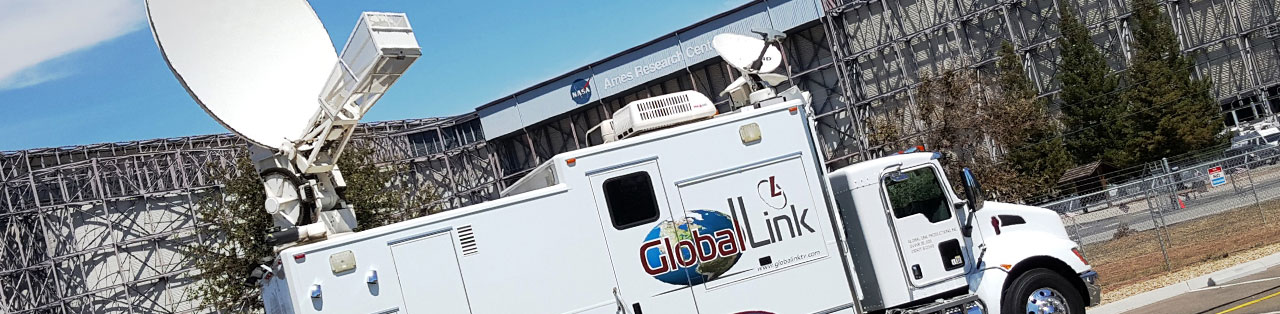
Designing a VSAT communication network starts long before anyone installs an antenna. The antenna is only the part most people notice. Behind it is a chain of decisions about bandwidth, satellite capacity, RF equipment, network architecture, power, environmental conditions, and the applications the system has to support. We start by asking what the network actually needs to accomplish. Then develop a quality Link Budget to ensure the system will work as designed. A remote site sending routine business data has very different requirements from a facility transmitting video, supporting voice communications, or keeping several locations connected throughout the day. That distinction matters because the wrong assumptions at the beginning can follow a project all the way into installation.
We want to know what will be moving across the network and when. That means looking at the number of users, connected locations, applications, expected traffic levels, and periods of heavy use. Bandwidth calculations based only on average consumption can be misleading. A network that seems perfectly adequate most of the time may become frustratingly slow when several users access cloud applications or transmit large files simultaneously. We also consider whether the traffic includes voice or video, since those applications can have stricter performance requirements. For example, traffic shaping may be applicable in this scenario. Once we understand the actual workload, equipment and capacity decisions become much easier to justify.
The network architecture depends heavily on how the sites need to communicate. Some projects involve a central facility and several remote terminals. Others require communication among multiple locations, with different users accessing shared services. We look at the number of sites, traffic paths, satellite coverage, required availability, and how much flexibility the network needs as the operation changes. Existing infrastructure matters here too. VSAT may need to sit alongside terrestrial internet, wireless networks, private systems, voice equipment, or other communications platforms. There is little value in designing an excellent satellite link if it creates headaches everywhere else.
A VSAT antenna is not simply a dish that is large enough to receive a signal. We consider the satellite parameters and specifications itself, operating frequencies, weather attenuation, link requirements, antenna size, mounting arrangement, pointing accuracy, and the conditions at the installation site. Nearby structures can interfere with the line of sight, while wind exposure and mounting limitations can affect the physical installation. RF components also need to be selected and matched properly throughout the signal path. Cable lengths, connectors, equipment location, and potential interference are the sort of details that are easy to overlook on paper and surprisingly annoying to correct in the field. We would rather resolve them during design.
A VSAT system usually has a job beyond providing a satellite connection. It may carry operational data, connect remote personnel to a central network, support VoIP, deliver video, or provide communications where terrestrial infrastructure is unavailable or unreliable. We therefore look at how the satellite network will interact with everything around it. Routing, security, local networking, power, monitoring, and equipment interfaces all need to be considered. This is where properly planned communication system installation services make a difference. Installation should be the physical execution of an engineered plan, not the point at which fundamental design questions finally get answered.
The conditions at a remote site can be just as important as the equipment specification. Heat, rain, wind, dust, unstable power, restricted access, and limited maintenance options can all influence the design. We consider how equipment will be protected, powered, accessed, and serviced once the installation crew has left. If communications are critical, we also examine what happens when a component fails or the primary connection becomes unavailable. Depending on the application, that could mean redundant equipment, backup power, alternate connectivity, or additional monitoring. Reliability usually comes from several sensible choices rather than one impressive piece of hardware. A typical VSAT design may bring together:
We also design with the next stage of the network in mind. Users may be added. Data requirements may increase. New applications can change traffic patterns almost overnight, particularly when video and cloud services become part of everyday operations. That does not mean purchasing unnecessary capacity just in case. It means avoiding a design that leaves no practical path forward. We consider whether additional terminals can be added, whether equipment can be upgraded, and whether the network architecture can accommodate higher demand without forcing the entire system to be redesigned.
At Agile Communication Systems, we treat design as part of the system itself, not paperwork that happens before the interesting work begins. The engineering decisions made at this stage influence what gets installed, how the network performs, how easily it can be maintained, and what it will cost to expand later. Organizations searching for a satellite communication company in Los Angeles may be dealing with projects that involve much more than a standalone satellite terminal, particularly when VSAT needs to become part of a broader communications environment. Getting those relationships right is where experienced planning earns its keep.
A dependable VSAT communication network is the result of careful decisions made before the first piece of equipment reaches the site. We need to understand the traffic, select an architecture that fits the operation, engineer the antenna and RF side properly, account for the environment, and make sure the satellite network works with the infrastructure already in place. That preparation gives communication system installation services a clear direction and reduces the unpleasant surprises that tend to appear when design work is left until the last minute. If you are planning a VSAT network or looking at ways to improve an existing communication system, contact us at
Agile Communication Systems
to discuss your requirements and determine what approach makes sense for your operation.
Contact us today
to know more.
A VSAT communication network uses satellite technology to provide connectivity between remote sites and network infrastructure. It can support data, voice, video, and other communication needs.
We consider bandwidth requirements, weather attenuation, satellite coverage, network architecture, antenna selection, RF components, power, environmental conditions, and existing infrastructure.
Proper antenna and RF planning helps maintain reliable signal performance and avoids issues caused by obstructions, weather, equipment placement, cable distances, or interference.
Yes, absolutely! A VSAT network can be designed to work alongside existing voice, data, wireless, and video systems. The integration needs to be considered during the design stage.
Yes, a well-planned network can allow for additional users, terminals, equipment, and increased traffic. Designing with future requirements in mind can make later upgrades much easier.